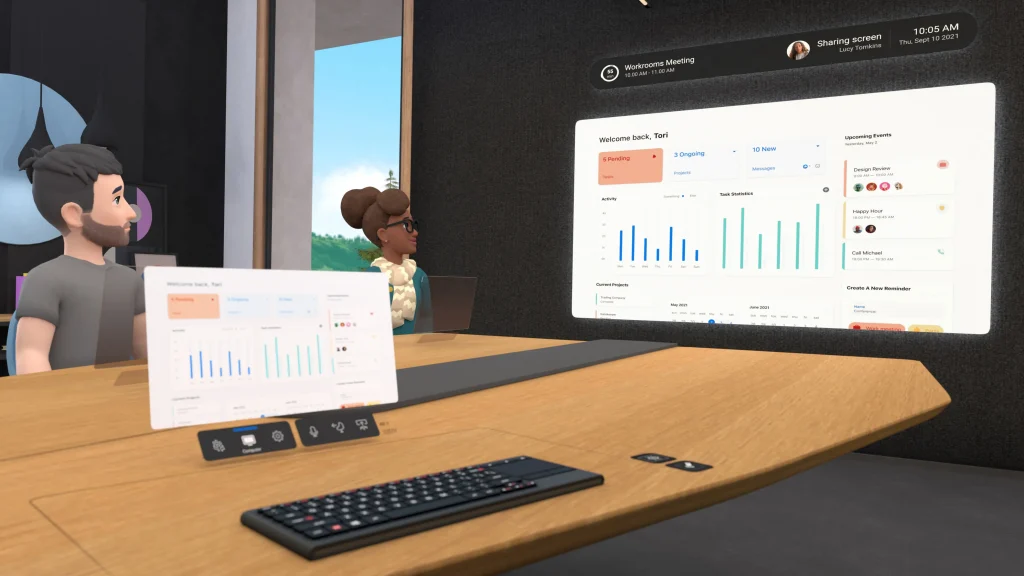

Now Reading: Apple Announces Mixed Reality Headset with Advanced AR Features
-
01
Apple Announces Mixed Reality Headset with Advanced AR Features

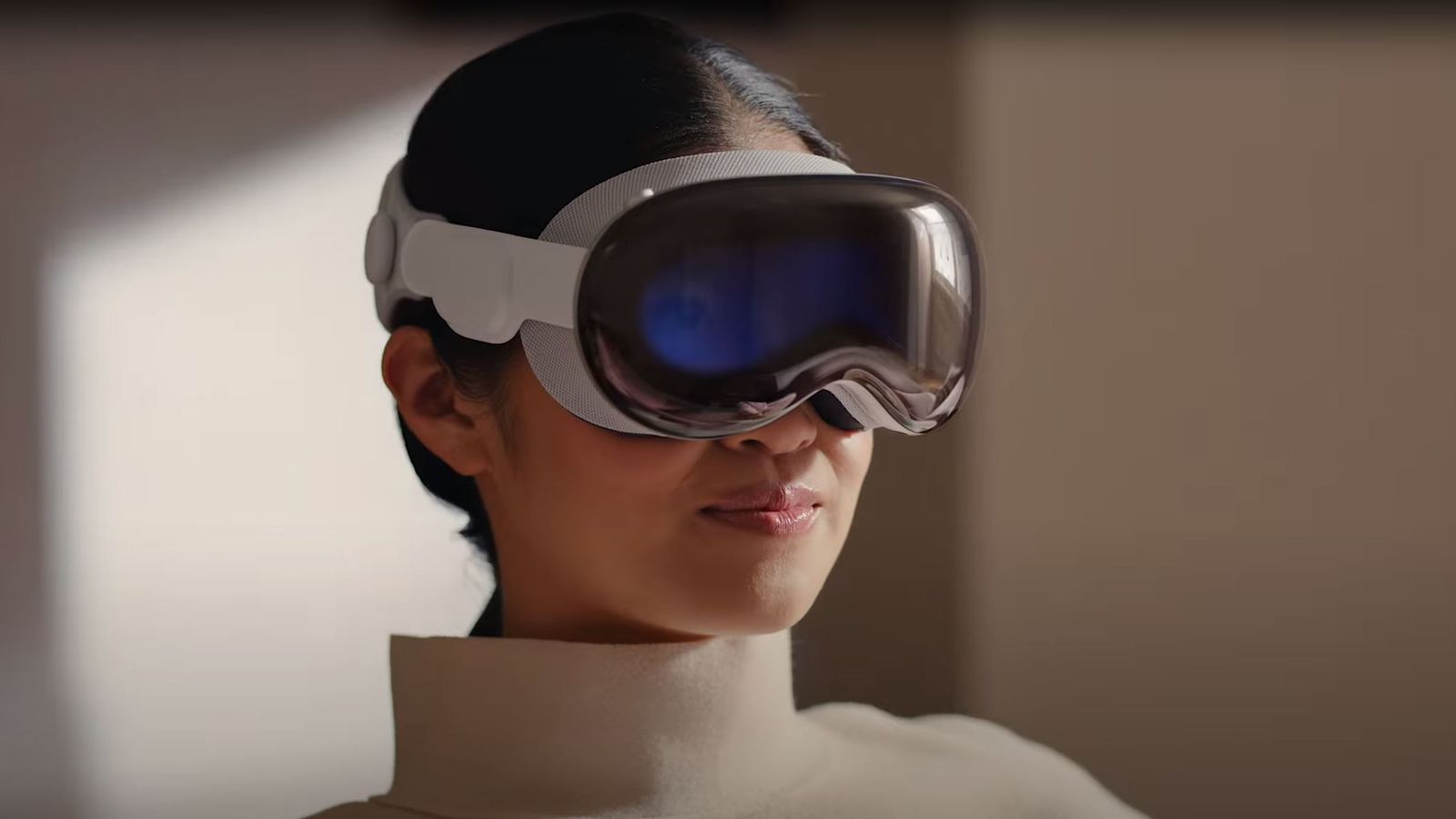
Apple has officially unveiled its highly anticipated mixed reality headset, combining augmented reality (AR) and virtual reality (VR) into a single device. The announcement marks a significant step in Apple’s strategy to enter the immersive technology market, offering both consumers and developers new ways to interact with digital content in the real world.
Key Features of Apple’s Mixed Reality Headset
- High-Resolution Displays
The headset features dual ultra-high-resolution displays designed to deliver sharp visuals and lifelike graphics. Each eye is presented with independently rendered images, creating an immersive experience with minimal latency and smooth motion tracking. - Advanced AR Capabilities
Apple’s mixed reality system includes advanced AR features that overlay digital information seamlessly on the physical world. Users can interact with 3D objects, virtual interfaces, and contextual information without losing awareness of their surroundings. - Eye and Hand Tracking
The headset incorporates precise eye-tracking technology, allowing intuitive navigation, selection, and control simply by looking at objects. In addition, advanced hand-tracking sensors enable natural gesture controls without the need for external controllers. - Spatial Audio and Haptic Feedback
Spatial audio provides realistic sound positioning, making digital objects feel present in the real environment. Haptic feedback in the headset further enhances immersion, allowing users to feel virtual interactions physically. - Lightweight and Ergonomic Design
Apple emphasizes comfort for extended use, with a design that balances weight distribution and adjustable straps. The device is optimized for both short bursts of AR applications and longer VR experiences.
Potential Applications
The mixed reality headset opens up new opportunities across multiple domains:
- Gaming and Entertainment: Players can interact with highly immersive virtual worlds that blend seamlessly with their surroundings.
- Education and Training: Interactive 3D lessons, simulations, and virtual classrooms enhance learning experiences in a safe, controlled environment.
- Professional and Creative Work: Architects, designers, and engineers can visualize 3D models in real space, streamlining design workflows.
- Communication: Virtual meetings and shared AR experiences allow participants to collaborate more naturally, bridging physical distances.
Apple is positioning the headset not just as a consumer device, but as a platform for developers to build innovative AR and VR applications, creating an ecosystem similar to the App Store model for mobile devices.
Technical Innovations
Apple’s headset integrates several breakthrough technologies:
- Custom Apple Silicon Chips: High-performance processing powers advanced graphics and AI-driven AR features.
- SLAM (Simultaneous Localization and Mapping): Enables precise tracking of the user’s environment and real-time placement of virtual objects.
- Optimized Battery Management: Efficient power usage allows longer sessions without overheating or rapid battery drain.
These innovations reflect Apple’s focus on combining hardware, software, and AI for a seamless and immersive user experience.
Industry Impact
Apple’s entrance into the mixed reality space could reshape the AR/VR landscape:
- Competitive Pressure: Other tech giants, including Meta and Microsoft, may accelerate their own product development in response.
- Developer Ecosystem Expansion: The device encourages developers to explore immersive applications, potentially driving growth in AR/VR content.
- Consumer Adoption: Apple’s brand influence and ecosystem integration may increase public acceptance of mixed reality technologies.
The headset’s launch highlights Apple’s commitment to innovation beyond traditional computing and mobile devices, signaling a new frontier for immersive experiences.
Challenges and Considerations
Despite its promise, several challenges remain:
- Content and Application Availability: Success depends on developers creating compelling AR/VR experiences.
- Affordability and Market Penetration: Premium pricing may limit initial adoption to enthusiasts and professionals.
- User Comfort and Motion Sickness: Extended VR use can cause fatigue or disorientation, which Apple aims to minimize with ergonomic design and high refresh rates.
Looking Ahead
Apple’s mixed reality headset represents a pivotal moment in immersive technology. By combining advanced AR features, precise tracking, and high-quality hardware, the company is laying the groundwork for a new era of digital interaction.
As developers explore the possibilities and consumers begin experimenting with immersive content, the headset could redefine how we work, play, and communicate in the digital age, bringing augmented reality into the mainstream like never before.