
Now Reading: SpaceX Demonstrates Starship Prototype Capable of Rapid Reuse
-
01
SpaceX Demonstrates Starship Prototype Capable of Rapid Reuse

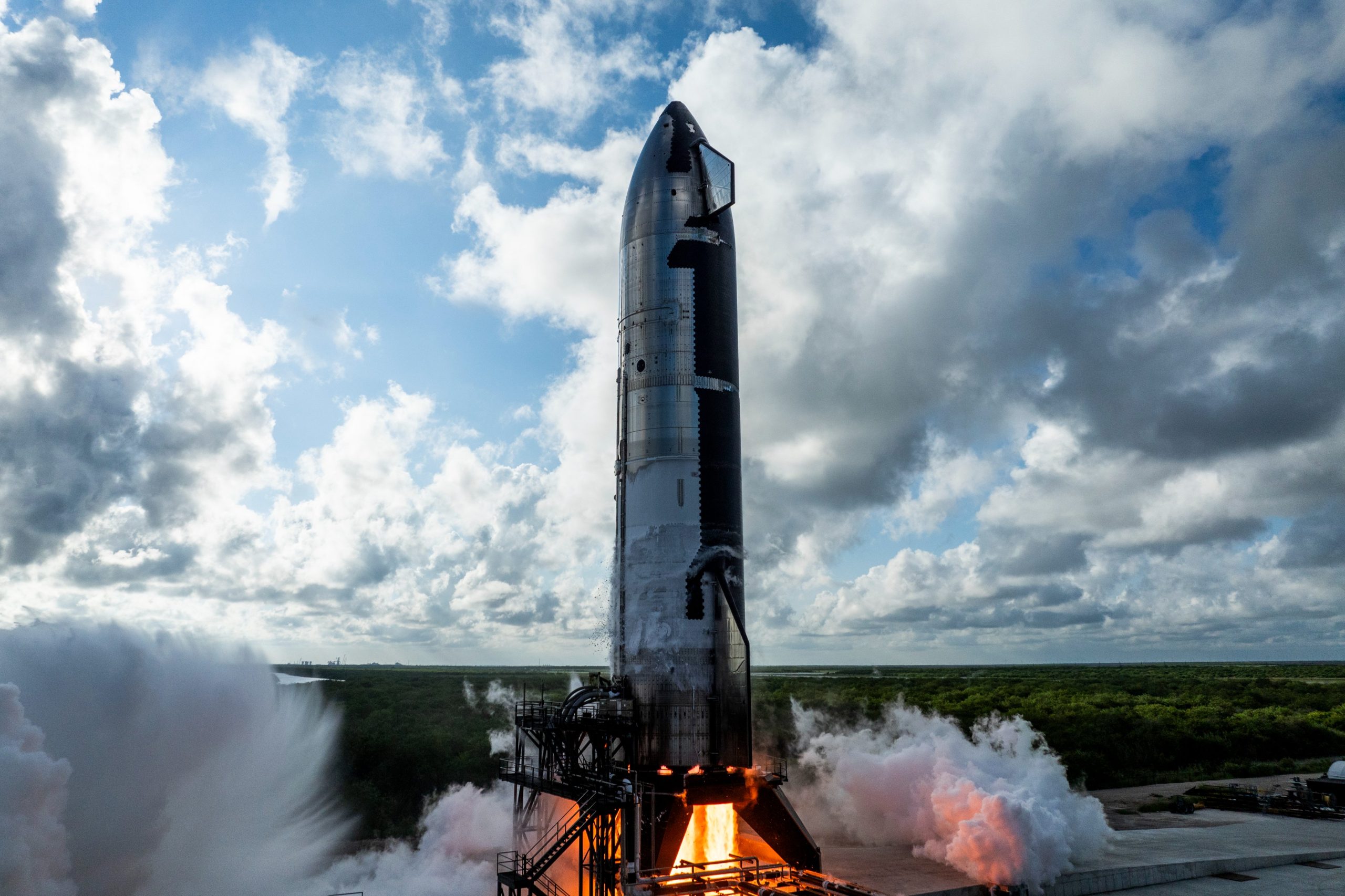
SpaceX has successfully demonstrated a new Starship prototype designed for rapid reuse, marking a major milestone in the company’s mission to make space travel more economical and sustainable. The demonstration showcases significant improvements in turnaround time, reliability, and operational efficiency for the fully reusable spacecraft that SpaceX envisions for interplanetary missions.
Overview of the Starship Prototype
The Starship prototype is part of SpaceX’s next-generation launch system, designed to carry cargo and passengers to Earth orbit, the Moon, Mars, and beyond. Key characteristics of this latest prototype include:
- Full Reusability: Both the Starship upper stage and its Super Heavy booster are intended to be fully reusable, drastically reducing launch costs compared to traditional expendable rockets.
- Rapid Turnaround: The new design allows for faster inspection, refueling, and relaunch, aiming for operational cycles that could be completed in days rather than months.
- Heavy-Lift Capacity: Starship is capable of carrying more than 100 metric tons of payload to low Earth orbit, enabling large-scale satellite deployment and interplanetary missions.
The successful demonstration validates SpaceX’s approach to reusable space vehicles, an essential component of the company’s long-term vision for human space exploration.
Demonstration Details
During the recent tests, SpaceX showcased several critical capabilities:
- Launch and Ascent Performance:
The prototype achieved stable liftoff, controlled ascent, and precise trajectory management, demonstrating the effectiveness of its engines and guidance systems. - Controlled Reentry and Landing:
After reaching high altitudes, the Starship executed controlled reentry maneuvers and a soft landing, highlighting its ability to withstand reentry heat and atmospheric friction. - Rapid Refurbishment Potential:
Post-flight inspections indicated minimal wear and tear, suggesting that the spacecraft can be quickly prepared for the next mission, significantly reducing downtime between launches.
These achievements are crucial for SpaceX’s goal of creating a space transport system capable of frequent, cost-effective launches.
Implications for Space Exploration
- Lower Cost of Access to Space
By enabling rapid reuse, SpaceX can dramatically reduce the cost per kilogram of sending cargo and humans to orbit, making space missions more accessible to governments, private companies, and researchers. - Support for Mars and Lunar Missions
Rapidly reusable Starship vehicles are key to SpaceX’s plans for Mars colonization and lunar exploration, allowing sustained supply missions and human settlements to be established. - Satellite Deployment and Space Infrastructure
The Starship’s heavy-lift capability supports large-scale satellite constellations, space-based research labs, and other orbital infrastructure projects. - Commercial Spaceflight Expansion
Space tourism, in-orbit manufacturing, and other commercial space endeavors could benefit from reliable, reusable spacecraft that minimize launch costs and scheduling delays.
Technical Innovations
The Starship prototype incorporates several cutting-edge technologies:
- Raptor Engines: Methane-fueled engines that offer high efficiency, reusability, and thrust-to-weight performance suitable for both launch and landing.
- Thermal Protection Systems: Advanced heat shields allow safe reentry without significant structural damage.
- Autonomous Guidance and Control: AI-driven navigation ensures precision during ascent, descent, and landing, reducing reliance on manual intervention.
- Rapid Maintenance Design: Modular components and durable materials facilitate inspection and refurbishment between flights.
These innovations together aim to make Starship the first fully reusable heavy-lift spacecraft in history.
Challenges and Considerations
Despite progress, several challenges remain:
- Safety and Reliability: Ensuring crew safety and consistent mission success remains a top priority.
- Regulatory Compliance: Coordinating with aerospace agencies for launches, landings, and orbital traffic management is complex.
- Scalability: Mass-producing Starship vehicles and building the necessary infrastructure for frequent launches will require significant investment and engineering.
- Long-Duration Missions: Reusability must be maintained over multiple flights without compromising structural integrity or performance.
SpaceX continues iterative testing and improvements to address these challenges before routine operational deployment.
Looking Ahead
The successful demonstration of a Starship prototype capable of rapid reuse brings humanity closer to a new era of space travel—one where launches are more frequent, affordable, and sustainable.
With ongoing development, Starship could revolutionize access to space, enable ambitious interplanetary missions, support lunar bases, and eventually allow humans to establish a permanent presence on Mars. This milestone demonstrates that reusable spacecraft are no longer theoretical—they are actively shaping the future of space exploration.