
Now Reading: Google AI Tool Detects Early Signs of Rare Diseases from Medical Images
-
01
Google AI Tool Detects Early Signs of Rare Diseases from Medical Images

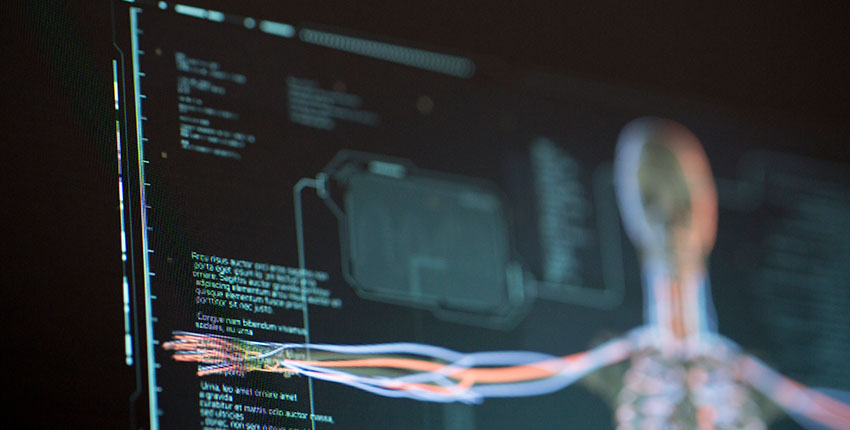
Google has unveiled a groundbreaking artificial intelligence (AI) tool capable of detecting early signs of rare diseases by analyzing medical images. This advancement represents a significant step forward in the application of AI to healthcare, potentially transforming the way clinicians diagnose and treat conditions that are difficult to detect in their initial stages.
How the AI Tool Works
The system utilizes deep learning algorithms trained on vast datasets of medical images, including MRI scans, X-rays, and CT scans. By recognizing subtle patterns and anomalies that are often invisible to the human eye, the AI can flag potential indicators of rare diseases long before symptoms become clinically apparent.
Key technical features include:
- High-Resolution Pattern Recognition: The AI can identify minute structural changes in tissues and organs, improving the likelihood of early detection.
- Multi-Modal Data Integration: By combining information from multiple imaging modalities, the system creates a comprehensive view of the patient’s condition.
- Continuous Learning: The AI model is designed to learn from new patient data over time, enhancing its accuracy and adapting to a wider range of rare conditions.
This approach allows for more precise and timely diagnoses, which is crucial in rare diseases where delayed detection can significantly impact patient outcomes.
Implications for Healthcare
- Early Diagnosis Saves Lives
Early detection of rare diseases often determines treatment success. By alerting clinicians to potential issues before obvious symptoms appear, the AI can facilitate interventions that slow disease progression or prevent complications. - Enhanced Support for Clinicians
The tool acts as an intelligent assistant, helping radiologists and medical professionals identify conditions that might be missed during routine analysis. This reduces diagnostic errors and improves confidence in complex cases. - Expanded Research Opportunities
By analyzing large datasets of medical images and detecting patterns associated with rare diseases, the AI provides valuable insights for medical research. This could lead to the discovery of previously unknown disease markers and accelerate the development of new treatments.
Challenges and Considerations
Despite its promise, implementing AI in medical diagnostics presents challenges:
- Data Privacy and Security: Patient data must be protected, ensuring compliance with privacy regulations such as HIPAA.
- Clinical Validation: AI predictions must undergo rigorous validation and clinical trials to ensure accuracy and safety before widespread adoption.
- Integration into Healthcare Systems: Hospitals and clinics need the infrastructure to integrate AI tools effectively, including training for medical staff.
Experts emphasize that AI is intended to assist, not replace, human clinicians, providing an additional layer of insight rather than autonomous diagnosis.
Potential Applications
The AI tool’s ability to detect rare diseases early could transform several areas of medicine:
- Genetic Disorders: Identifying structural anomalies in children that may indicate hereditary conditions.
- Neurological Diseases: Detecting early signs of conditions such as rare neurodegenerative disorders before cognitive symptoms emerge.
- Cardiovascular and Organ Abnormalities: Flagging unusual patterns in heart, liver, or kidney imaging that might indicate rare syndromes.
By improving early detection across these domains, the technology has the potential to significantly improve patient outcomes and reduce the burden on healthcare systems.
Looking Forward
Google’s AI tool represents a major leap toward AI-assisted precision medicine. As the technology continues to evolve, we may see a future where rare diseases are detected and treated earlier than ever before, reducing suffering and saving lives.
With ongoing research, clinical validation, and careful integration into healthcare workflows, AI has the potential to become an indispensable tool for modern medicine, helping doctors make faster, more informed decisions while uncovering insights that would otherwise remain hidden.