
Now Reading: Microsoft Introduces Cloud-Based AI Coding Assistant for Developers
-
01
Microsoft Introduces Cloud-Based AI Coding Assistant for Developers

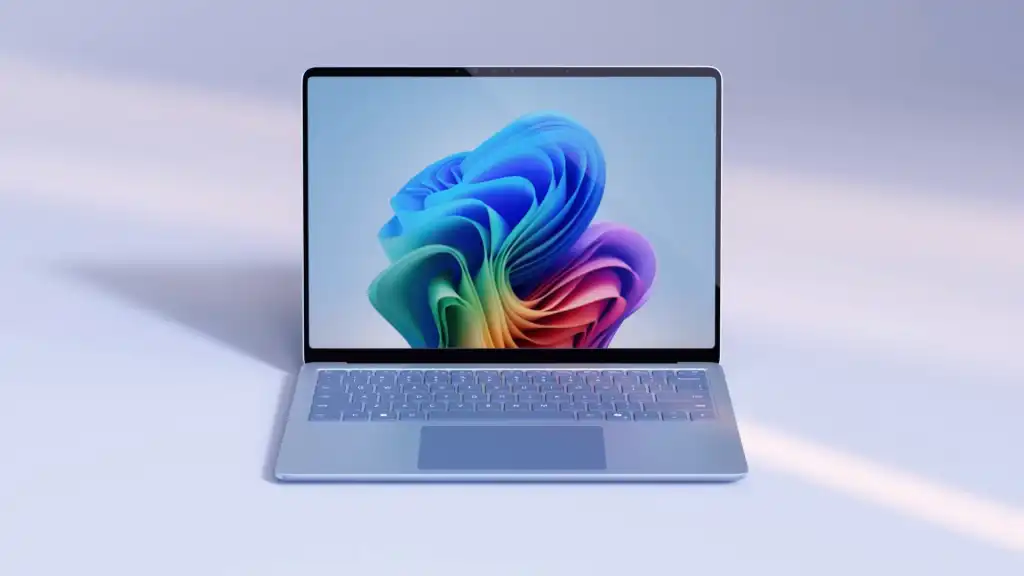
Microsoft has unveiled a new cloud-based AI coding assistant designed to transform software development by enhancing productivity, reducing errors, and accelerating project timelines. Leveraging advanced machine learning models and deep integration with cloud infrastructure, this tool provides developers with intelligent, context-aware suggestions throughout the coding lifecycle.
Key Features of Microsoft’s AI Coding Assistant
- Context-Aware Code Suggestions
The AI assistant analyzes the developer’s current code, understanding context, dependencies, and intended functionality. It can provide real-time suggestions, auto-complete functions, and even propose entire code snippets based on best practices. - Support for Multiple Programming Languages
The assistant supports a wide range of languages, including Python, JavaScript, C#, Java, and Go. Its multilingual capabilities enable seamless use across diverse development projects, whether web, mobile, or enterprise applications. - Cloud Integration and Collaboration
Being cloud-based, the assistant synchronizes with cloud repositories and project management tools, allowing teams to share suggestions, templates, and best practices in real time. This feature facilitates collaboration across distributed development teams. - Automated Debugging and Error Detection
The AI tool can detect potential errors or vulnerabilities in code before execution, offering recommendations to fix issues efficiently. This reduces debugging time and helps maintain high-quality, secure code. - Learning and Adaptation
The assistant continuously learns from developer interactions, project context, and codebases, improving its recommendations over time. This adaptive capability allows it to align with team-specific coding standards and preferred design patterns.
Implications for Software Development
1. Increased Developer Productivity
By automating repetitive tasks, suggesting optimized code, and providing instant guidance, the AI assistant enables developers to focus on higher-level design and problem-solving.
2. Enhanced Code Quality and Security
Early detection of errors, security vulnerabilities, and potential inefficiencies reduces the likelihood of bugs reaching production. Developers can write cleaner, more maintainable code.
3. Accelerated Learning and Onboarding
For junior developers or team members new to a codebase, the AI assistant serves as an interactive mentor, helping them understand best practices, project conventions, and library usage quickly.
Technical Innovations
Microsoft’s AI coding assistant incorporates several advanced technologies:
- Deep Learning and Transformer Models: Provides natural language understanding of code comments and documentation alongside code structure.
- Cloud-Based Infrastructure: Ensures seamless scaling, real-time collaboration, and access to the latest AI models without local hardware constraints.
- Contextual Awareness: The AI maintains a holistic view of the project, including dependencies, APIs, and prior code patterns, to generate relevant suggestions.
These innovations demonstrate Microsoft’s strategy to integrate AI deeply into the software development lifecycle, rather than offering isolated automation tools.
Potential Impact on the Industry
- Enterprise Software Development: Large teams can reduce development cycles while maintaining consistent code quality across projects.
- Open-Source Contributions: AI suggestions could streamline contributions and standardize coding practices, improving collaborative development.
- Education and Training: Coding bootcamps and universities can leverage AI assistants to enhance programming instruction and practical learning experiences.
By combining cloud scalability with intelligent coding assistance, Microsoft is positioning this tool as a cornerstone of the next generation of developer productivity platforms.
Challenges and Considerations
While promising, adoption of AI coding assistants comes with considerations:
- Dependence on AI Recommendations: Developers must critically review AI suggestions to avoid introducing subtle errors or security vulnerabilities.
- Privacy and IP Concerns: Sensitive or proprietary code must be protected when interacting with cloud-based AI systems.
- Learning Curve: Teams need training to integrate AI recommendations effectively without disrupting existing workflows.
Microsoft emphasizes that the tool is designed to augment human developers, not replace them, ensuring that creativity and problem-solving remain central to software development.
Looking Ahead
Microsoft’s cloud-based AI coding assistant represents a significant leap in AI-assisted software development. By combining intelligent, context-aware code suggestions with real-time collaboration and cloud scalability, the platform promises to accelerate development cycles, improve code quality, and empower developers worldwide.
As adoption grows and AI models continue to evolve, this tool may redefine the way software is written, reviewed, and maintained, bridging the gap between human creativity and machine intelligence in modern development workflows.