
Now Reading: Tesla Unveils Next-Generation Full Self-Driving Software
-
01
Tesla Unveils Next-Generation Full Self-Driving Software

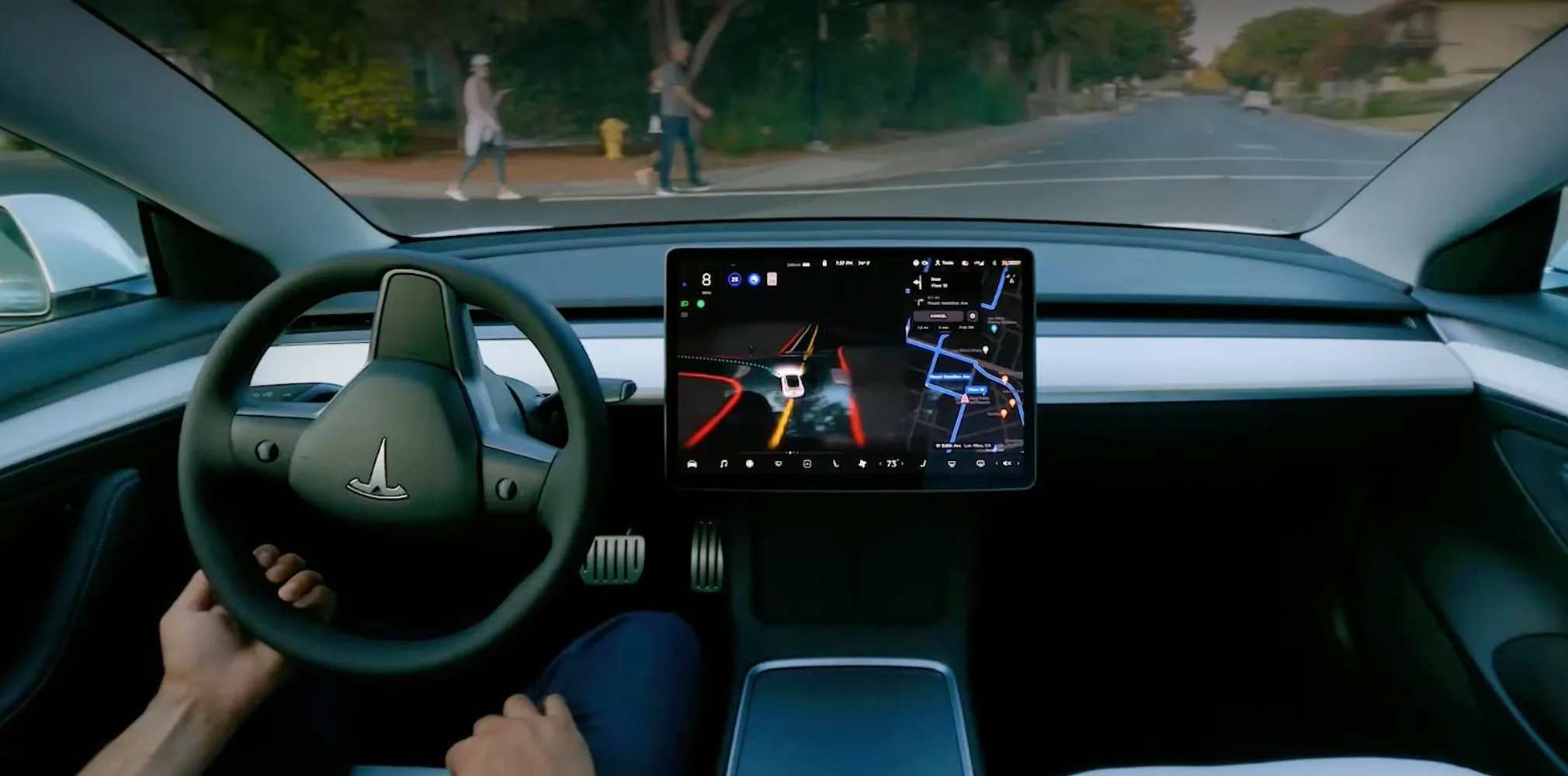
Tesla has officially unveiled its next-generation Full Self-Driving (FSD) software, marking a major step forward in autonomous vehicle technology. The company claims that the new system significantly improves safety, reliability, and the overall driving experience, moving closer to a vision of fully autonomous vehicles on public roads.
What’s New in Tesla’s FSD
The next-generation FSD software introduces several technical and practical innovations:
- Vision-Only Autonomy:
Tesla has shifted away from reliance on lidar or radar, relying entirely on a camera-based system coupled with advanced neural networks. This vision-centric approach allows the vehicle to interpret the road environment more like a human driver, recognizing lane markings, pedestrians, cyclists, traffic signs, and complex intersections with higher precision. - Improved Neural Network Architecture:
The system employs a multi-layered neural network capable of real-time object detection, trajectory prediction, and decision-making. Tesla reports that the updated AI is better at handling unusual or unpredictable scenarios, such as construction zones, emergency vehicles, or erratic behavior from other drivers. - Expanded Beta Testing:
The new FSD beta has been rolled out to a wider pool of Tesla owners under a carefully monitored testing program. Data from these tests continuously feeds back into the AI, refining its performance and safety protocols. - Enhanced Driver Monitoring:
While the system is moving toward higher levels of autonomy, Tesla has introduced stricter driver monitoring to ensure attention and readiness to take control when necessary. This includes improved in-cabin cameras and AI-driven alert systems.
Implications for Safety and Road Use
Tesla’s next-generation FSD aims to reduce human error, which is responsible for the majority of traffic accidents worldwide. Key safety features include:
- Predictive Path Planning: The AI can anticipate the movement of surrounding vehicles and pedestrians several seconds ahead, enabling smoother and safer navigation.
- Adaptive Decision-Making: The system adjusts driving behavior dynamically, considering road conditions, weather, and traffic patterns.
- Emergency Handling: Enhanced algorithms allow the car to detect hazards earlier and respond more efficiently than previous versions.
While Tesla emphasizes that the software is not yet fully autonomous in all conditions, the improvements suggest a strong step toward Level 4 autonomy, where vehicles can operate without human intervention in most environments.
Market and Industry Impact
Tesla’s announcement has significant implications for the automotive and tech industries:
- Accelerated Autonomous Vehicle Development: Competitors may be pressured to expedite their own FSD programs to remain competitive.
- Investment and Valuation Effects: Tesla’s technological leadership in self-driving may influence investor confidence and market valuation.
- Infrastructure and Regulation: Widespread deployment of advanced FSD will require updated traffic regulations, insurance frameworks, and road infrastructure adaptations.
Analysts note that Tesla’s vision-only approach could set a new standard for autonomy, challenging traditional reliance on lidar and radar sensors used by other companies.
Challenges Ahead
Despite the progress, several challenges remain:
- Public Acceptance: Full adoption requires trust in AI decision-making and driverless capabilities.
- Regulatory Approval: Different regions have varying standards for autonomous vehicles, and Tesla must navigate a complex legal landscape.
- Edge Case Handling: Rare or unexpected situations—such as unusual weather, wildlife, or complex urban layouts—still pose significant technical challenges.
Tesla continues to iterate rapidly, using fleet data and AI training to address these concerns over time.
Looking Forward
The unveiling of Tesla’s next-generation FSD software represents a pivotal moment in the journey toward fully autonomous driving. By leveraging vision-based AI, advanced neural networks, and continuous learning from its fleet, Tesla is working to make self-driving cars safer, smarter, and more capable than ever before.
While fully autonomous vehicles are not yet a reality for the average driver, Tesla’s advancements signal that the industry is moving steadily closer to a future where human intervention in driving may become increasingly optional.