
Now Reading: Tariffs Without a Trade War: The Quiet Tension Between the U.S. and Europe
-
01
Tariffs Without a Trade War: The Quiet Tension Between the U.S. and Europe

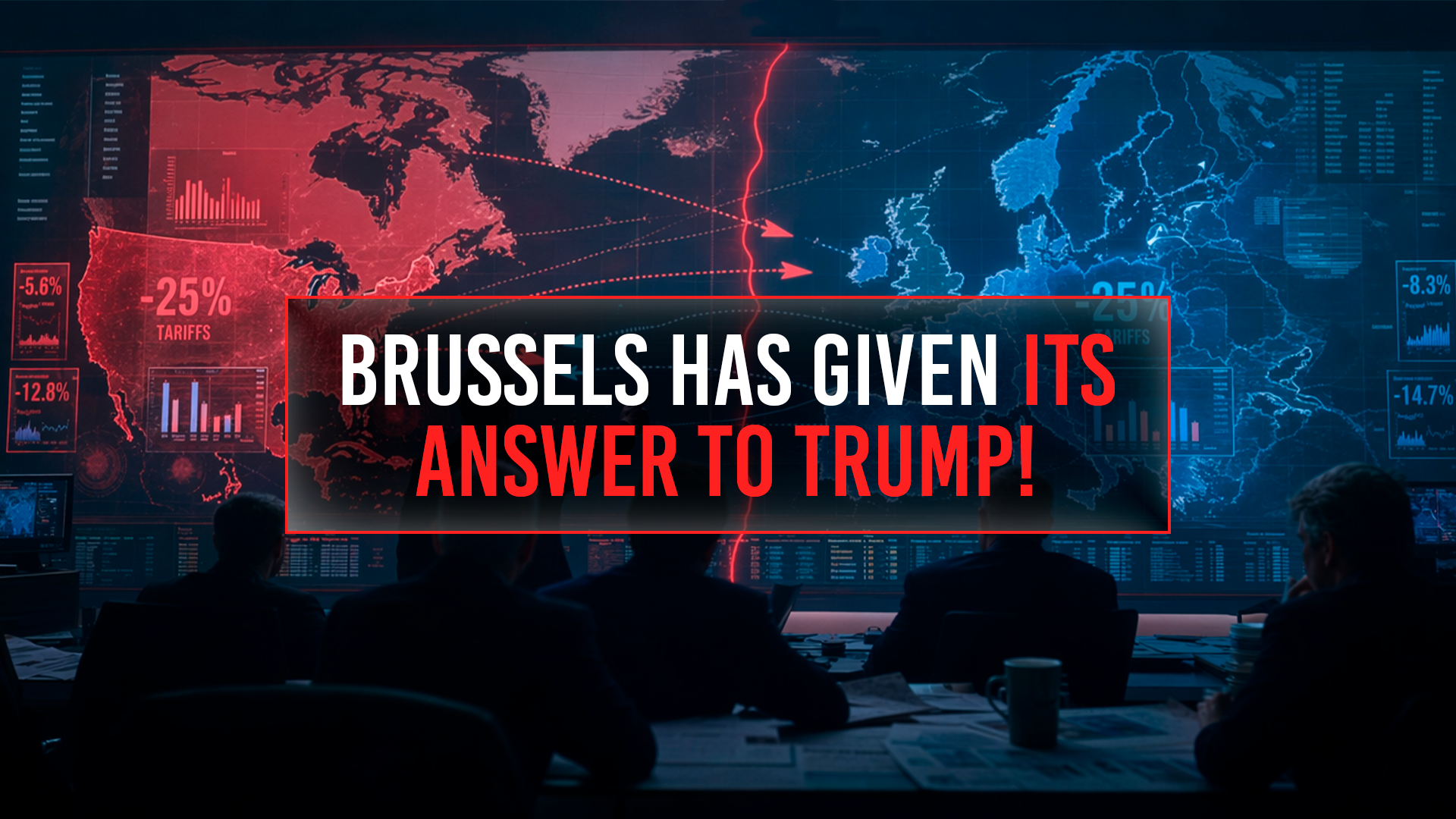
If you follow global headlines, it might seem like the United States and Europe are getting along just fine. There are no dramatic confrontations, no sudden breakdown in relations, and certainly no official declaration of a trade war.
But look a little closer, and a different story begins to emerge.
Behind the scenes, tariffs are slowly reappearing — not as a blunt instrument of conflict, but as a carefully used tool of economic strategy. And while the changes are subtle, their impact is becoming harder to ignore.
📊 A Shift You Don’t See Right Away
Unlike past trade disputes, today’s tariff dynamics don’t explode overnight.
They build gradually.
A policy adjustment here. A subsidy there. A tariff quietly extended or restructured.
Individually, these moves don’t make headlines. Together, they form a pattern — one that suggests both the U.S. and Europe are rethinking how open their economies should really be.
⚙️ The U.S. Perspective: Protection Meets Strategy
From Washington’s point of view, tariffs are no longer just about trade imbalances.
They’re about strategic positioning.
The U.S. is investing heavily in domestic industries, particularly in areas like:
- clean energy
- advanced manufacturing
- critical technologies
Tariffs support these goals by:
- reducing reliance on imports
- making local production more competitive
- signaling long-term policy direction
Even when not directly targeted at Europe, these policies inevitably affect European companies trying to compete in the U.S. market.
🌍 Europe’s Dilemma
For Europe, the situation is more complicated.
The European Union depends heavily on exports and global trade, which makes aggressive tariff responses risky. At the same time, ignoring U.S. policy shifts could leave European industries at a disadvantage.
So instead of reacting loudly, Europe has taken a more nuanced path:
- strengthening internal markets
- investing in strategic sectors
- adjusting regulations rather than escalating tariffs
It’s not a defensive move — it’s a calculated one.
💶 What Businesses Are Already Feeling
For companies operating across the Atlantic, the effects are becoming real.
Tariffs and related policies are influencing decisions like:
- where to build factories
- how to structure supply chains
- which markets to prioritize
Some businesses are quietly relocating production closer to their target markets. Others are diversifying suppliers to reduce exposure to policy changes.
It’s not chaos — but it is change.
🏭 The Industries Most Affected
Certain sectors are feeling the pressure more than others:
- Automotive: cross-border production is sensitive to tariffs
- Energy and climate tech: competition over subsidies and incentives is rising
- Industrial manufacturing: margins are tightening as costs shift
In many cases, companies aren’t waiting for policy clarity — they’re adapting in advance.
🔍 A More Fragmented Global Economy
Perhaps the biggest takeaway is what this means for globalization.
The world isn’t turning inward completely, but it is becoming more selective.
Trade is increasingly shaped by:
- regional alliances
- political priorities
- economic security concerns
Instead of one open global system, we’re moving toward a landscape where who you trade with matters just as much as what you trade.
⚠️ What Could Happen Next
Looking ahead, several paths are possible:
- Stability with friction
Trade continues, but with ongoing tension and adjustments - Gradual escalation
More sectors become affected as competition increases - Selective cooperation
Agreements are reached in key areas while competition remains elsewhere
None of these scenarios involve a dramatic break — but all of them suggest continued complexity.
🧠 Why This Matters
It’s easy to overlook tariffs because they don’t always feel immediate.
But they shape the environment in which businesses operate and economies grow.
They influence:
- investment decisions
- job creation
- long-term competitiveness
And perhaps most importantly, they signal how countries see their place in the global system.
🔥 Final Thought
The current U.S.–Europe tariff situation isn’t about confrontation.
It’s about positioning.
Both sides are adjusting, recalibrating, and preparing for a future where economic relationships are less automatic and more strategic.
And while it may not feel dramatic,
this quiet shift could end up redefining global trade in the years ahead.